Love, Strength, Courage

“Being deeply loved by someone gives you strength, while loving someone deeply gives you courage.” – Lao-Tzu

Human beings are wired to crave for love.  And we are also born with the capacity to love, although it might a few lessons in life’s School of Hard Knocks to acquire the mindset and ability to express it.

To love and be loved is often said to be the greatest joy in life. 

We feel loved when are accepted for who we are, cared for, and supported. That gives us strength to learn, grow, and confidently face into the challenges that life throws at us.  Children who grow up in a loving environment typically develop a healthy self-esteem and confidence. 

Conversely, we love another by accepting who they are unconditionally, showing care and concern, and offering support when needed.  Loving another deeply gives us the courage to act boldly in service of our loved ones and making sacrifices for their well-being.  Parents often act selflessly to protect their children, even if it means putting themselves in danger.
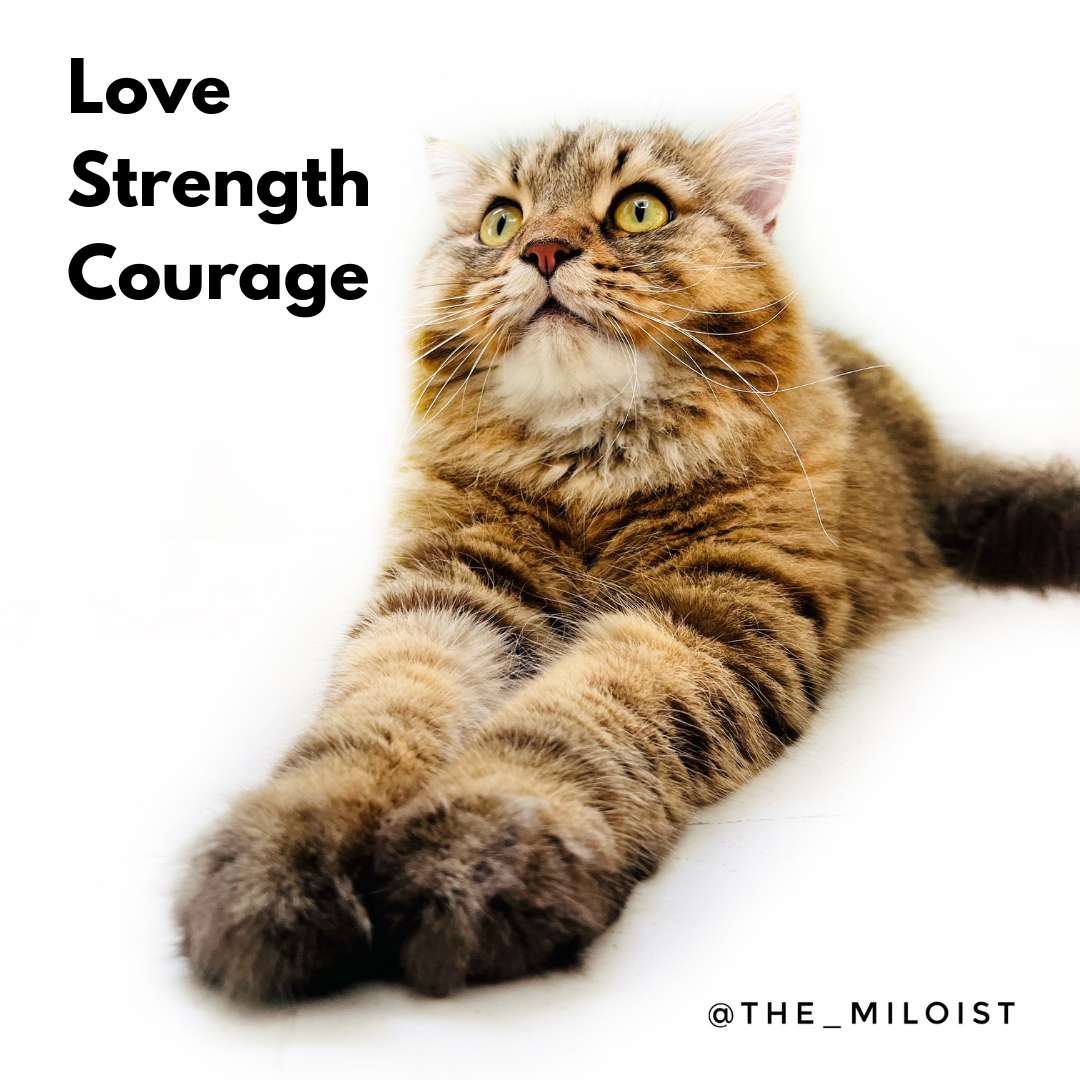
Ideally, love is two-way, but it need not necessarily be so. We can love our children deeply without expecting them to love us back in the same way. However, mutuality and reciprocity between romantic lovers is vital to sustain a strong relationship or marriage. Through loving each other deeply, we give one another the strength and courage to weather life’s storms of difficulties as well as life’s greatest gift – JOY.

“Love is granting another the space to be the way they are and the way they are not.” ~ Werner Erhard

Simpler, Fewer, Better

“The secret of happiness, you see, is not found in seeking more, but in developing the capacity to enjoy less.” ~ Socrates

“Less is more” – three simple words of wisdom worth living by.  They underpin Minimalism, a movement which first began in art, and subsequently influenced many domains including product design, home design, and way of living.

More recently, Marie Kondo has taken the simple idea of “What sparks joy?” from decluttering homes to decluttering businesses and life – inspiring many to simplify their lives.

Consider apply the following questions to the various aspects of life, including possessions, relationships, clients, personal goals, pet projects, etc.

  1. Simpler – What is essential? What is non-essential?
  2. Fewer – What to keep? What to discard?
  3. Better – How to improve, make the best use of, or enjoy what is left?

“Voluntary simplicity means going fewer places in one day rather than more, seeing less so I can see more, doing less so I can do more, acquiring less so I can have more.” ~ Jon Kabat-Zinn, Wherever You Go, There You Are

Must, Should, and Could

“So much to do, so little time.” Sounds familiar?

Although the number of hours in a day is finite, time actually flows infinitely from one moment to another. Each day, we are bestowed with another gift of 24 hours – a gift that we often take for granted whilst being caught up with the busyness of our daily lives.

“It is not that we have a short time to live, but that we waste a lot of it.”~ Seneca

Seneca reminded us of the importance of not wasting this precious gift. It’s helpful to begin by examining how we live an ordinary day, as how we live each day is how we live our lives. Our days are typically occupied by doing things to take care of our concerns – both major and minor. Make breakfast, finish a proposal, call a client, attend to a crisis at work, consult the dentist, pay utility bills, pick up kids from school, chair a board meeting, meditate, call mum, take a walk with spouse, exercise, etc.

But not all tasks are created equal. Some tasks matter more than others. Some are urgent, and some are not. And not all of them need to be completed on the same day. Distinguishing the importance and urgency of each task is vital, as Eisenhower has discovered. The urgent is often mistaken as important. Consider three categories of activities that will occupy your day.

  1. Must do – important and urgent tasks, that if not completed, will have severe undesirable consequences. Strive to do them all today so that we take care of our major concerns daily.
  2. Should do – important but not urgent tasks, that should be done today if possible or scheduled for another day, before they become urgent. Strive to do as many as possible today.
  3. Could do – unimportant tasks, that even if not completed today, will not have any severe undesirable consequences. Do them if you have time to spare, especially the urgent ones. If they are neither important nor urgent, it’s probably OK to leave them undone.

According to Tim Ferris, “lack of time is actually lack of priorities.” Perhaps the first ‘must do’ is to make time to sort out what we must do, should do, and could do, followed by channeling our attention and energy accordingly.

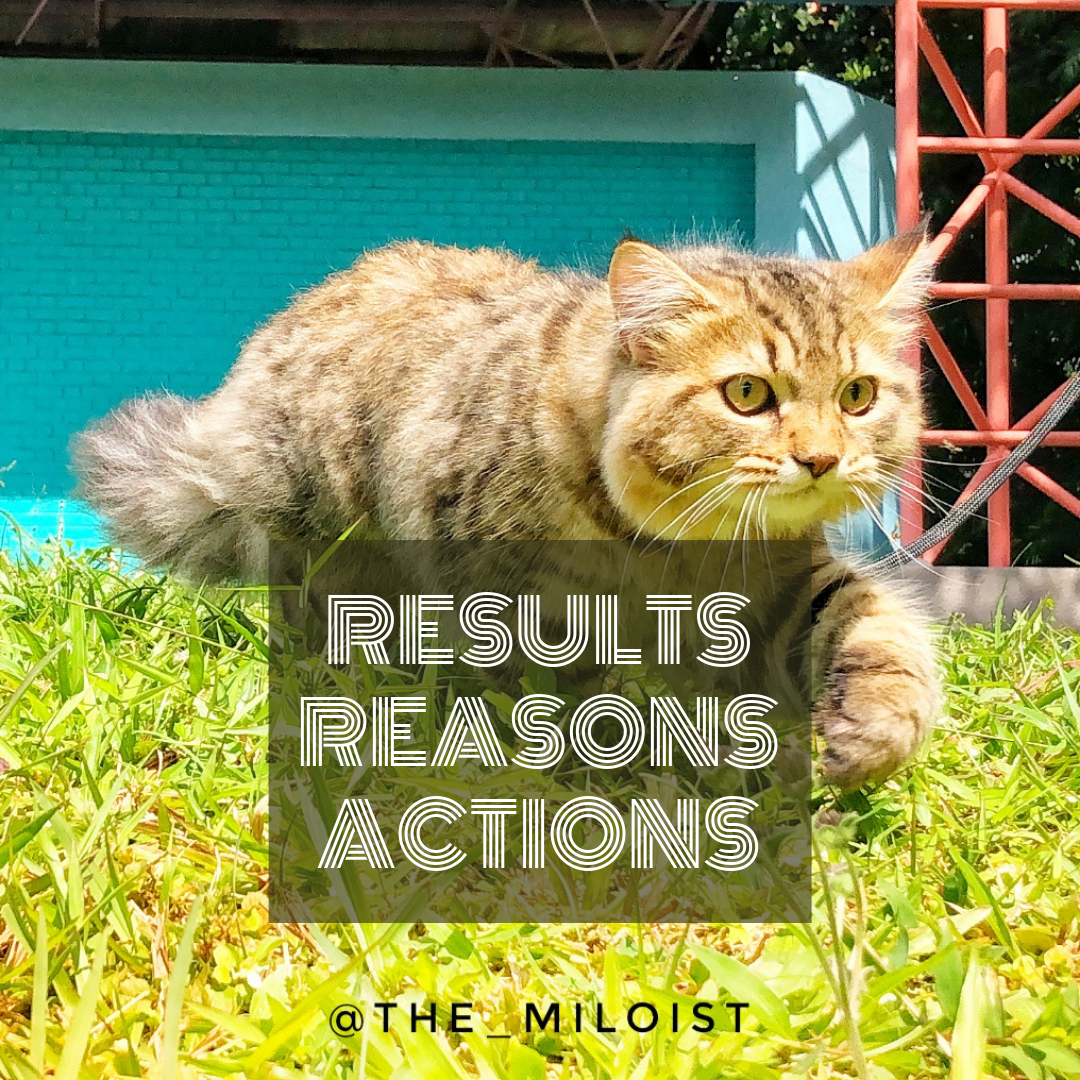
Results, Reasons, and Actions

In life, we get either the results we want, or reasons for not getting them.

Reasons make us look good. They make us feel better, right, or less guilty. 

I didn’t’ get this or that because … It’s not my fault.

However, no amount of explanation, justification, or excuses will change the fact that we didn’t get the results we want – be it losing weight, having a loving relationship, or winning a new business deal.

To get results, we need to get off the reasons, and get on with taking new actions that will bring forth the desired outcome. 

Only actions will transform reality.